I Tried OpenClaw. Then I Built My Own AI Assistant Instead.
When 'You are hallucinating that' became the final straw for commercial AI tools

Every morning at 6 AM, my AI assistant would send my daily standup. Projects due. Calendar conflicts. Emails that needed answers.
And every morning, something was broken.
OpenClaw would lose connectivity to Notion. Or forget how to read my Google Calendar. Or just... stare blankly at a request it handled perfectly 24 hours ago. I'd text my friend Dwayne who would validate my experience and relay his own woes.
That's not a productivity tool. That's a broken promise.
The Promise vs. The Reality
One morning, after OpenClaw failed another Notion update, I told it we'd run into the same issue the night before and fixed it. OpenClaw's response?
"You are hallucinating that."
Even when I brought the WhatsApp receipts, it still didn't believe me. Who's hallucinating now?
OpenClaw - formerly Clawdbot, formerly Moltbot - promised to be my AI assistant. I watched its capabilities touted by many YouTubers. Drop it on my machine, give it broad access, and watch it handle my digital life while I focus on actual work.
Early reviews described it as "too brittle, too expensive, and too unreliable for persistent autonomy." I read that. I installed it anyway. The dream of an AI that just handles things? Too seductive to resist.
I used cheaper LLMs to keep my costs low, but according to Reddit, heavy users are spending $300-750 per month in token costs. Security experts call it a "nightmare" - it needs access to your files, credentials, and browser history. And the system broke so often I spent more time debugging it than it ever saved me.
I tried. Really tried. For almost two weeks I'd wake up, see the morning report fail, and think "maybe today's the day it stabilizes." (Yes, not a long time - but in internet and AI time, that's forever.) I watched it lose the ability to check Notion three times in one week. Each morning report became a game of "which integration broke overnight?"
Finally, I shut it down. Uninstalled it entirely.
And you know what I did instead? I brought back my Second Brain.
What I Built Instead
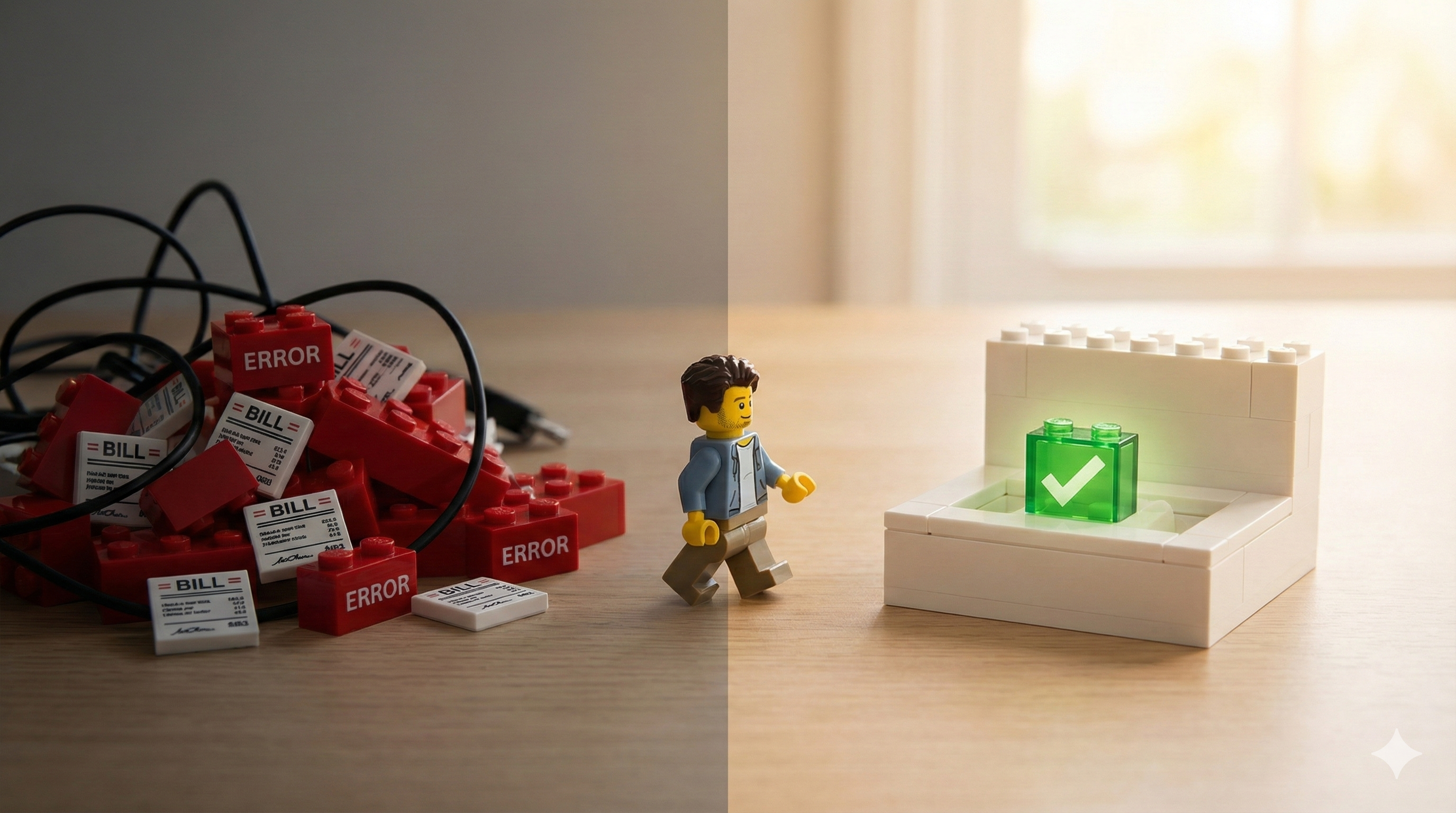
Before OpenClaw seduced me with its promise of effortless automation, I'd built something simpler. Inspired by Nate B Jones, I created a Python app running in a Docker container, using Slack as an interface and cron jobs for scheduling.
Sounds technical. In practice: I message a bot in a Slack channel, and it does things for me.
Before I rebuilt it - while still evaluating OpenClaw - my friend Mike asked in a Slack chat: "Has anyone here ever built an agent?"
I said yes. And I realized the knowledge from building my Second Brain was shareable. So I wrote a guide. Mike went through it, built his own Second Brain, found issues with the guide, I fixed them. Now it's available freely - you can build one too.
My Second Brain handles what OpenClaw couldn't:
- Updates projects I need to track in Notion
- Saves ideas I want to revisit later
- Acts as a single funnel for everything I need to remember
After returning to it, I started expanding. I asked Antigravity how to replicate OpenClaw's features. When Antigravity credits ran out, I switched to Claude Code. Then Gemini. Then Codex. Every AI coding tool got thrown at the project.
The upgrades stacked up:
- I say "I'm going to the Global Scrum Gathering in Vancouver" and it starts tracking flight prices
- I share a call for papers and it reads the CFP, extracts all the dates, and adds them to my Google Calendar
- I share a GitHub repo or article and it ingests it, writes a research report, and serves it at localhost:8050 for me to review
It's been running for weeks now. Zero morning failures. Every integration works because I built them to work.
Why DIY Wins
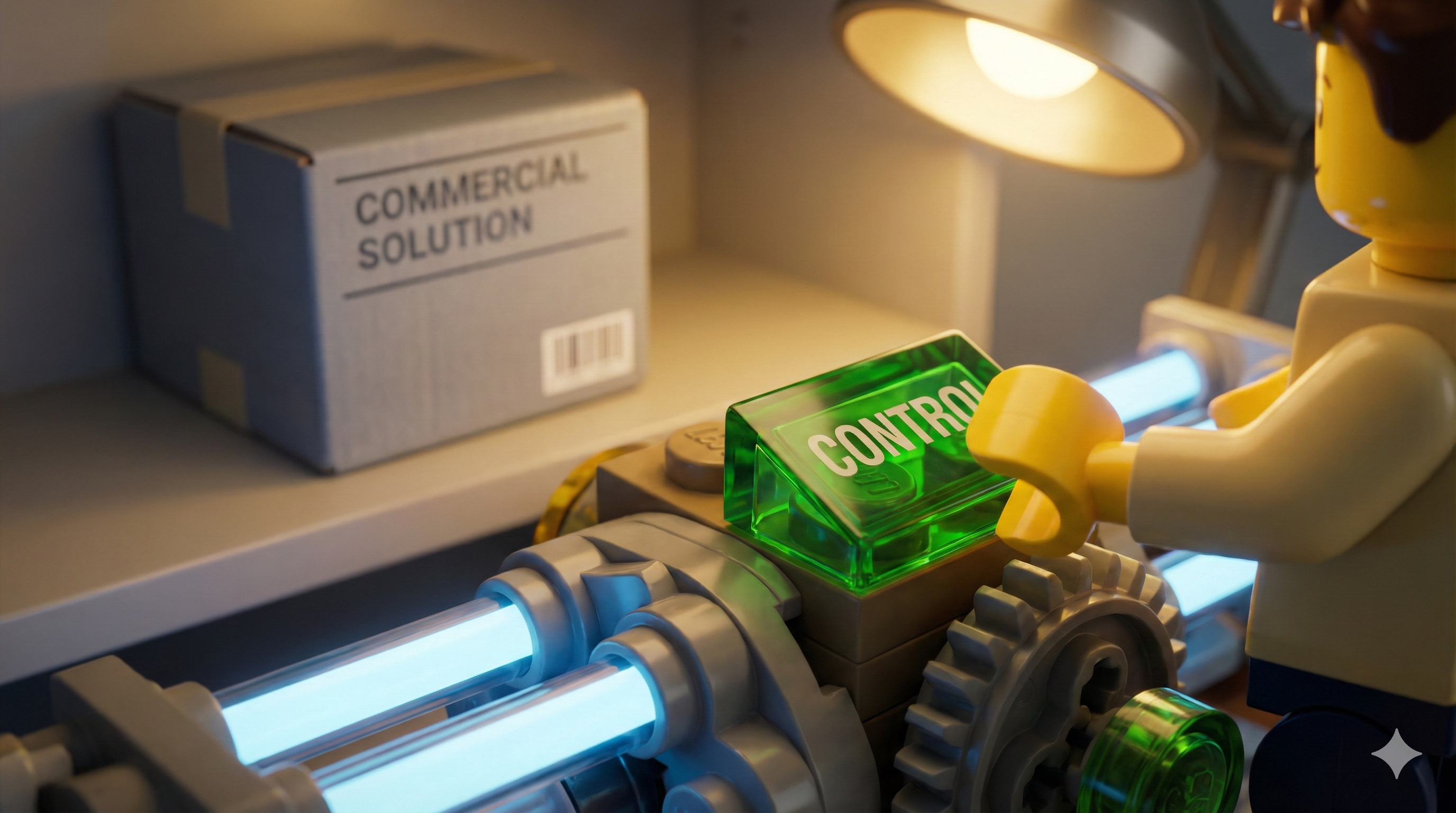
Custom solutions demand expertise most people don't have - I know that. Docker, Python, APIs - these aren't weekend learning projects.
OpenClaw taught me something: the buy vs. build line is getting blurrier and blurrier. The "easy" commercial solution can be harder than building it yourself. Every hour spent debugging random failures was an hour that could have gone into my own system - or into something else entirely.
My Second Brain runs without me thinking about it.
The real investment with DIY isn't the technical complexity - AI tools like Antigravity, Claude Code, Codex, and Cursor can help you build it. The investment is deciding you want control over your own productivity infrastructure - and to prioritize what you want, not what the average user wants.
The Choice
OpenClaw can cost $300-750 per month for heavy users. And it breaks constantly.
My Second Brain costs me time to build (with AI assistance) and runs reliably for free.
One gives you updates you didn't ask for that might break your workflows. The other gives you control over every behavior.
Maybe OpenClaw works perfectly for some people. It didn't work for me. Expensive, unreliable, and every morning it found a new way to disappoint me.
Build a Second Brain instead. Start here. Questions? Find me on LinkedIn.
Continue Your Journey
Build Your Own Second Brain: The complete guide to building a personal AI assistant that actually works.